
Enjōji Temple
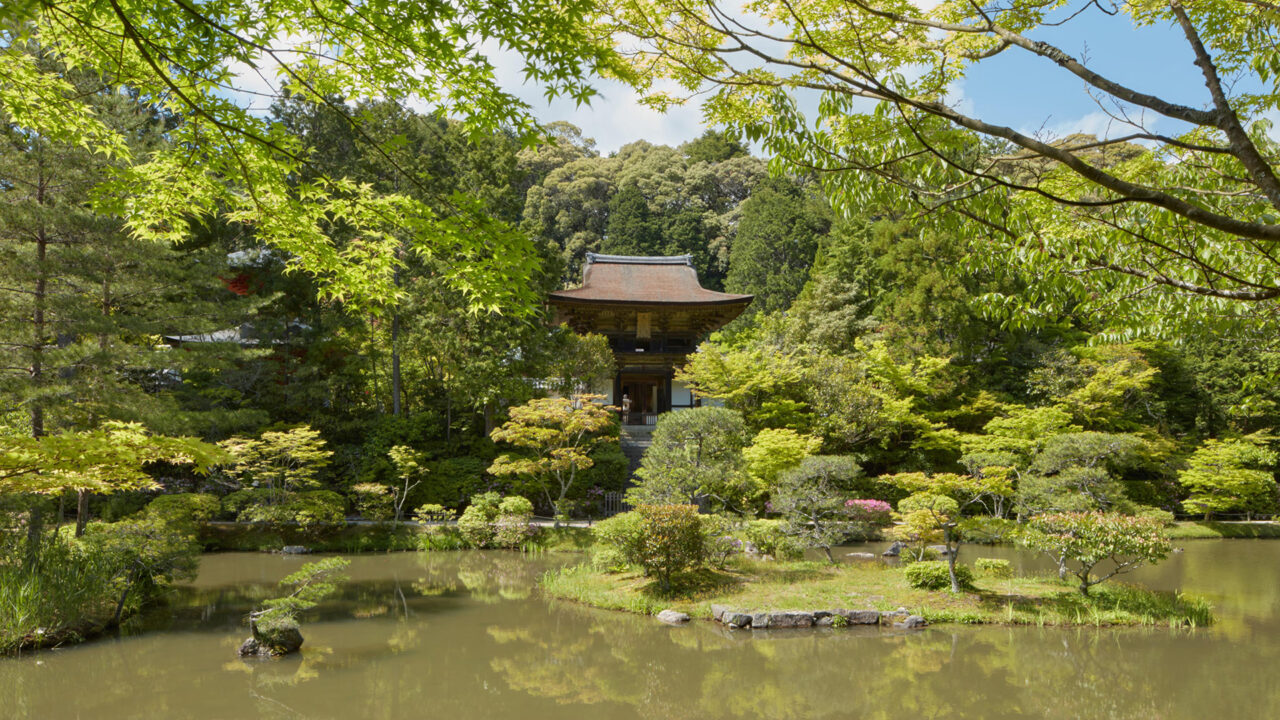
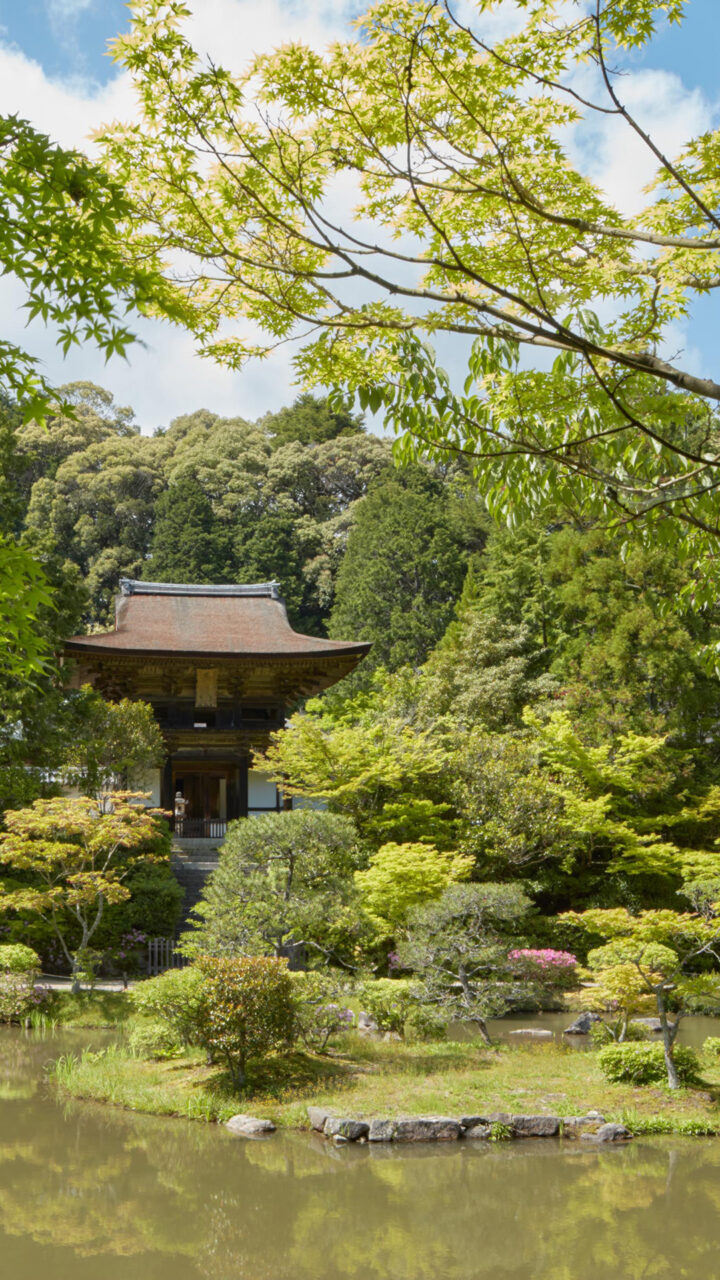
Enjōji Temple has stood in the
mountains of eastern
Nara for over 1,000 years.
Its grounds contain
many important cultural assets
that have survived
centuries of turbulent history,
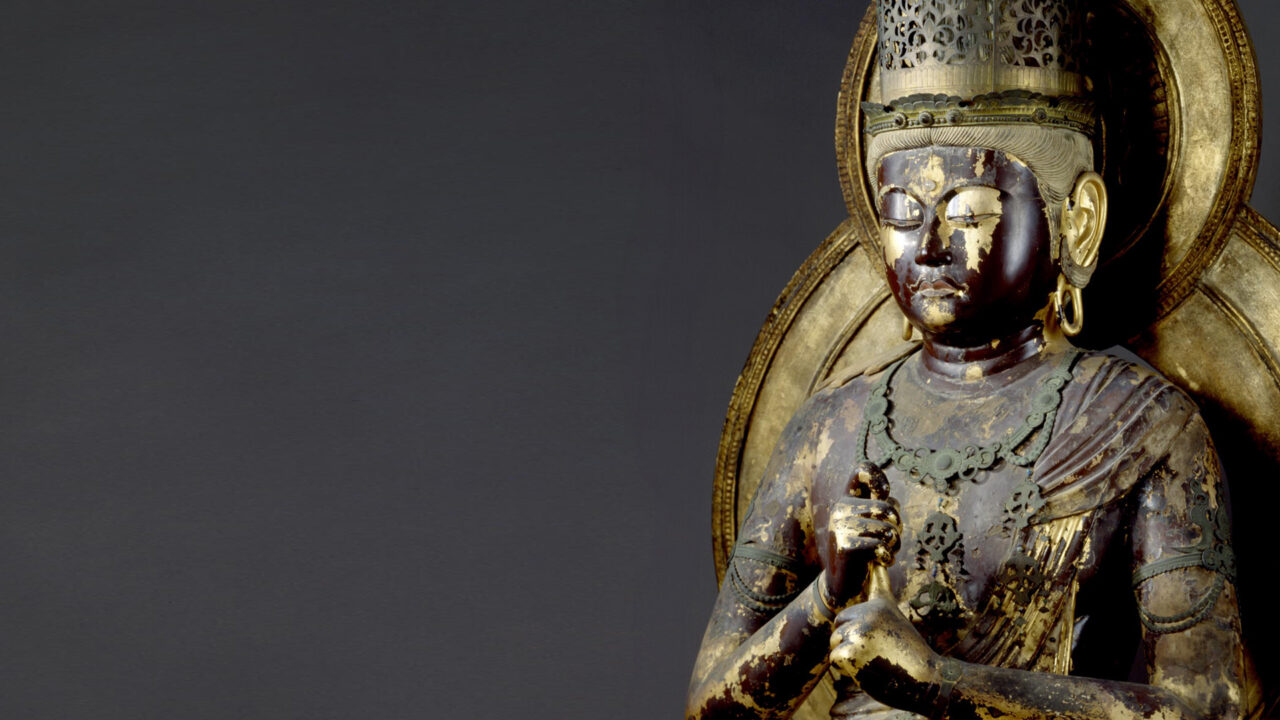
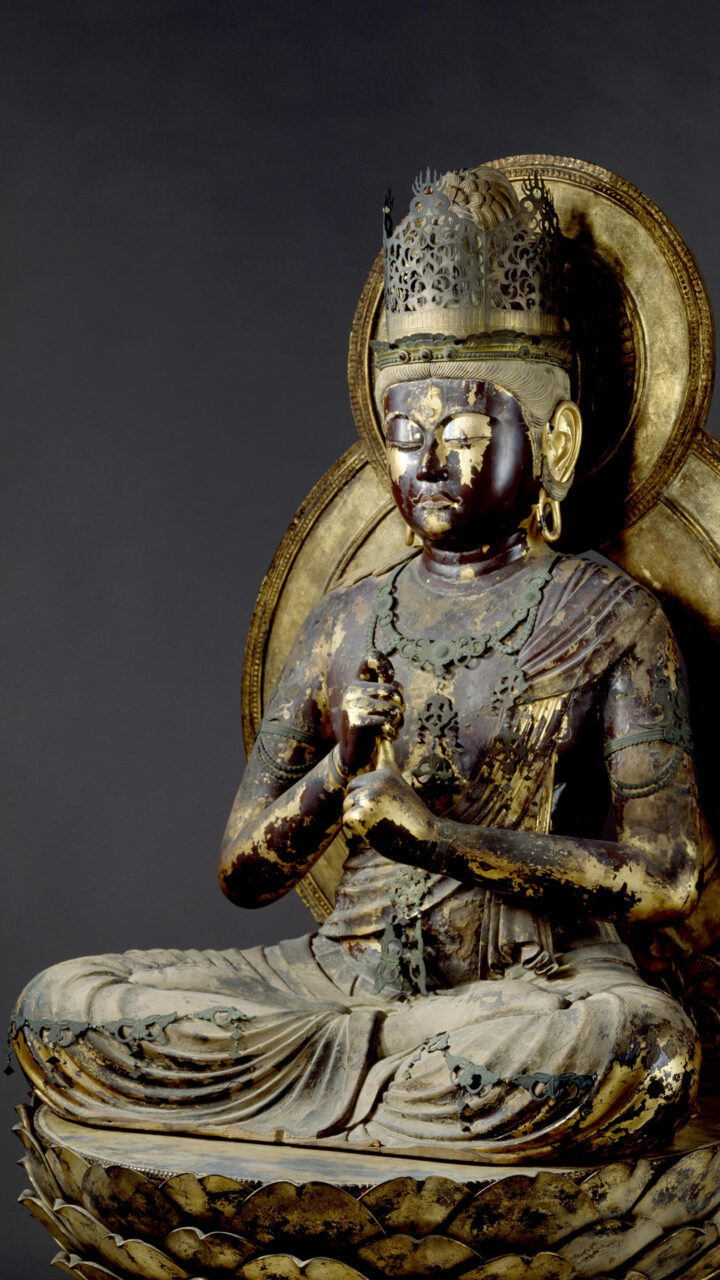
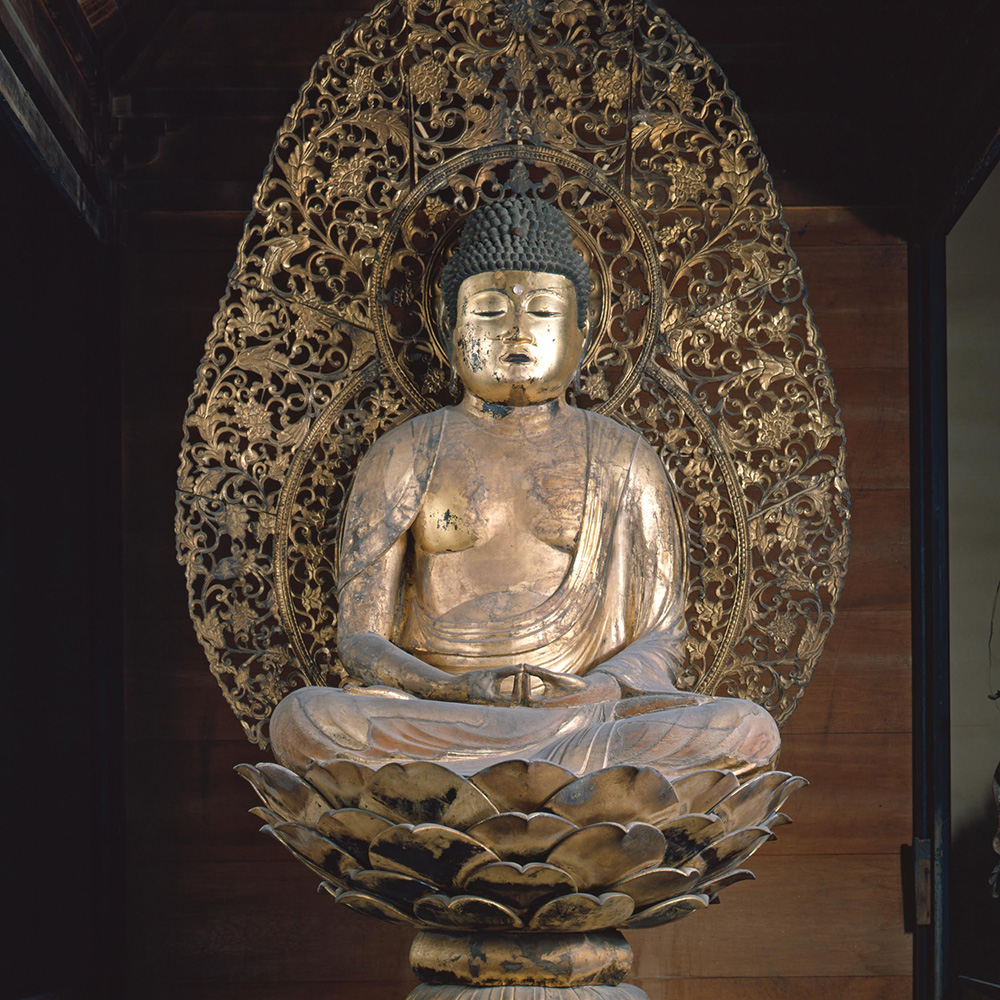
including a statue of
Dainichi Buddha
by the master
sculptor Unkei (ca. 1150–1223).
Traversing Centuries of Violence
Enjōji’s principal deity was initially Kannon, the bodhisattva of compassion. However, in the early twelfth century, the temple transferred that role to Amida Buddha. With war, famine, and natural disasters sweeping across Japan, people began to fear the world was ending. Invoking Amida’s name was believed to guarantee rebirth in the Pure Land, and many turned to him for salvation. Accordingly, the deity took on a more prominent role at Enjōji.
Fighting that broke out in Nara in 1466 due to a shogunal succession dispute led to widespread fires, and Enjōji was burned to the ground. Fortunately, the temple had been warned of the escalating conflict and was able to relocate its Buddhist statuary to safety. Enjōji was quickly rebuilt to its former glory, and the statuary was returned soon after.
The temple again encountered peril in the 1860s, when the newly established central government ceased funding for Buddhist institutions and extremists began to vandalize or even destroy temples they decried as sources of “foreign” religion. Enjōji was forced to function on a reduced scale, but many of its historic structures survived.
A Wealth of Cultural Treasures
In the face of these hardships, the monks of Enjōji have worked tirelessly to preserve the temple’s statuary and landscape.
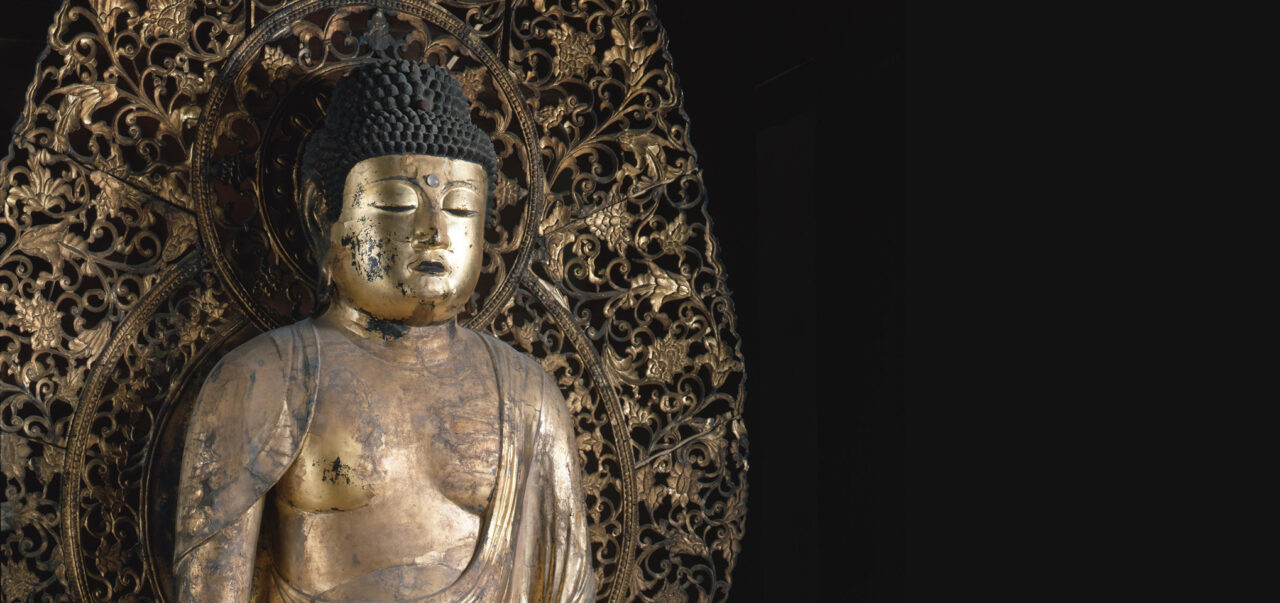
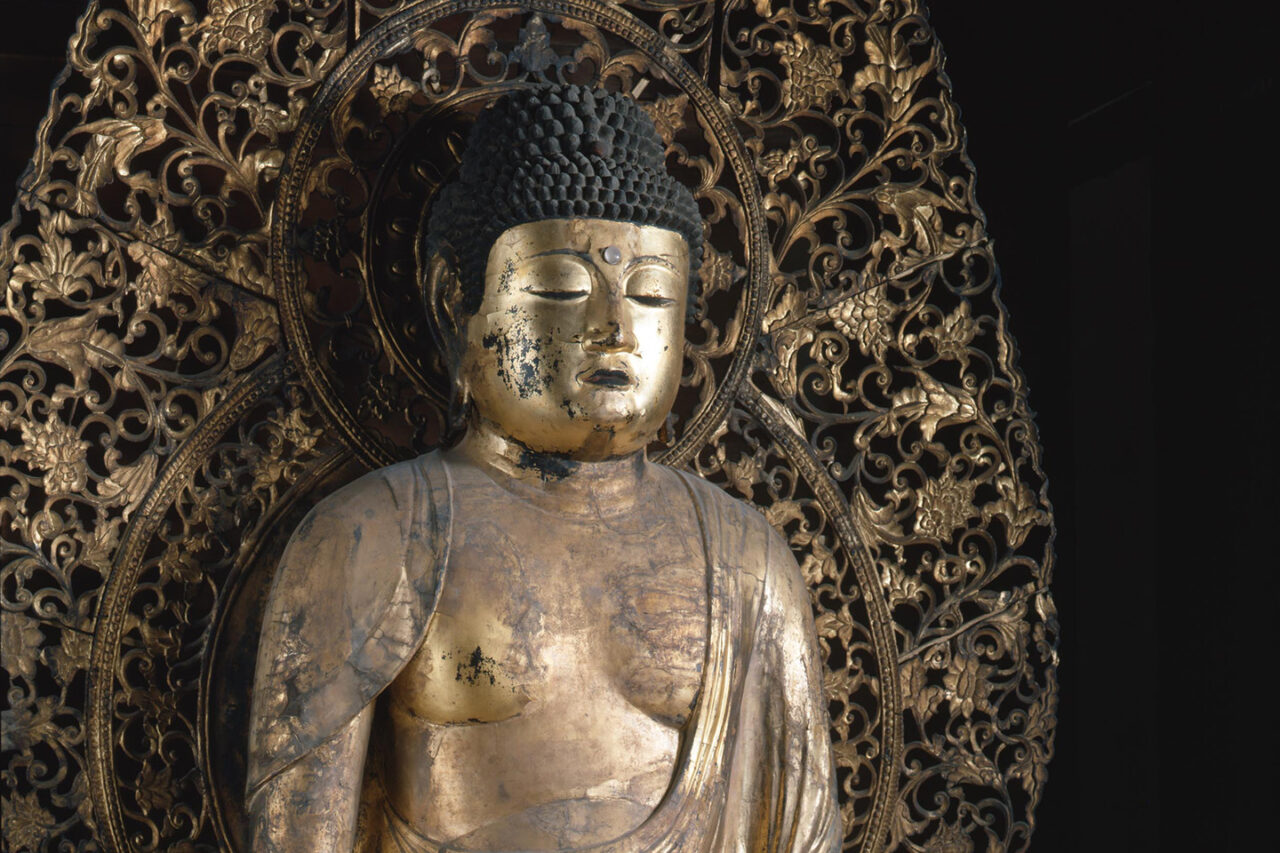
Today, Enjōji is famous for its statue of Dainichi Buddha. Designated a National Treasure, it is the earliest known work by Unkei, one of Japan’s most celebrated Buddhist sculptors. The statue was completed in 1176 and enshrined in the temple’s Tahōtō Pagoda. In recent years, it was relocated to Sō-ōden Hall for preservation and is available for public viewing.
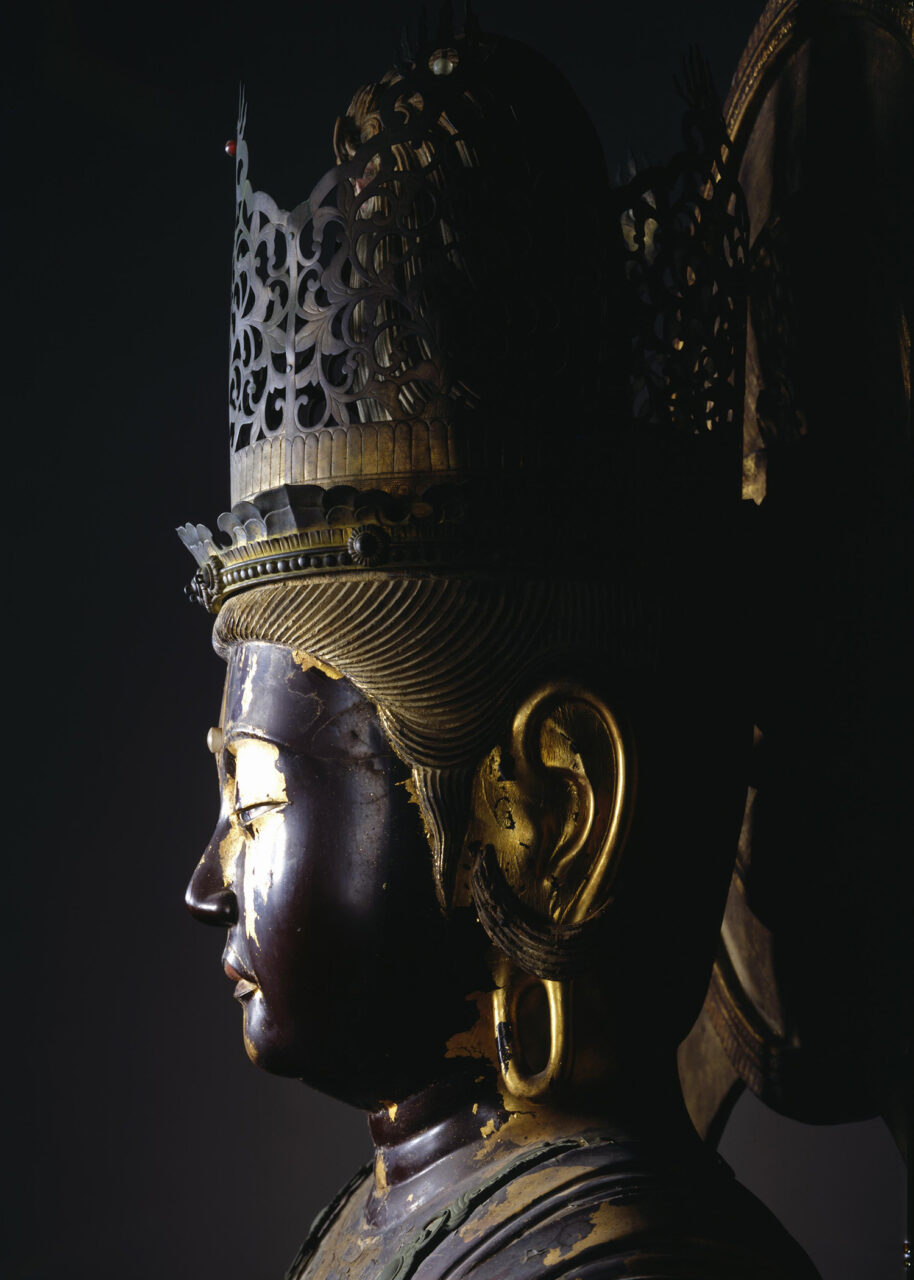
Enjōji’s Main Hall enshrines other treasured Buddhist statuary, including statues of Eleven-Headed Kannon and Amida Buddha, the temple’s former and current principal deities, respectively.
多宝塔の本尊。密教の根本仏で、智拳印を結んだ金剛界の大日如来です。藤原和様から鎌倉新様に移る過渡期に当たる運慶青年期の快心の作であり、自筆の墨書銘をもつ最初期の作として、日本彫刻史上画期的な意義を持つ尊像です。
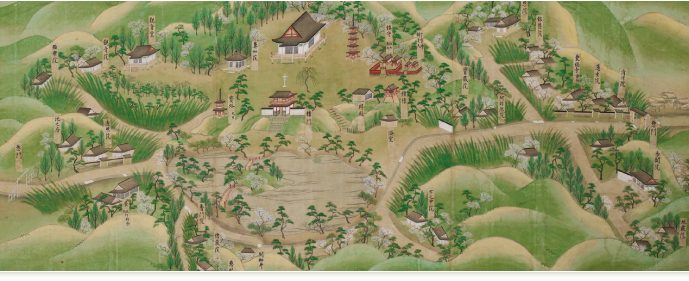
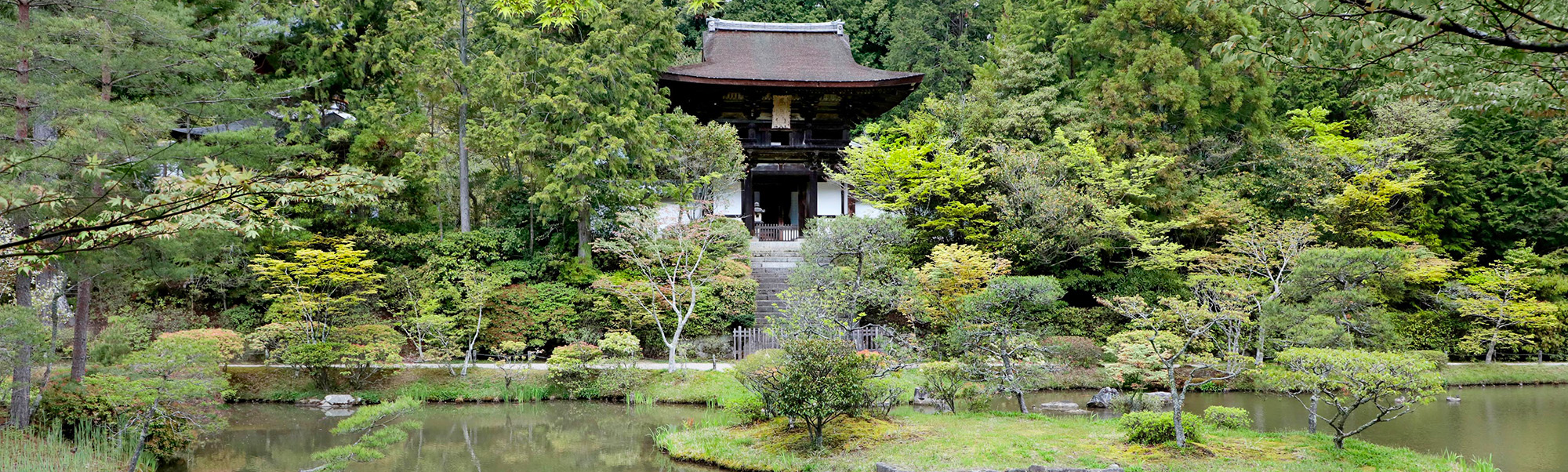
阿弥陀堂の前面に広がる浄土式庭園としてともに貴重な遺構です。
拝観のご案内
拝観のご案内
大日如来坐像が安置されている相應殿や、本尊が安置されている本堂、国宝に指定されている鎮守社などの拝観情報をご案内
交通の案内
奈良駅からバスで約50分、自然豊かな山里へ。
住所 奈良市忍辱山町1273

〒630-1244
奈良市忍辱山町1273
TEL:0742-93-0353
もくじ
Language
〒630-1244
奈良市忍辱山町1273
TEL:0742-93-0353
© 円成寺